
Lifestyle & Chronic Diseases Healing Wellness Recovery
Transform your life, one habit at a time
What Are Lifestyle & Chronic Diseases?
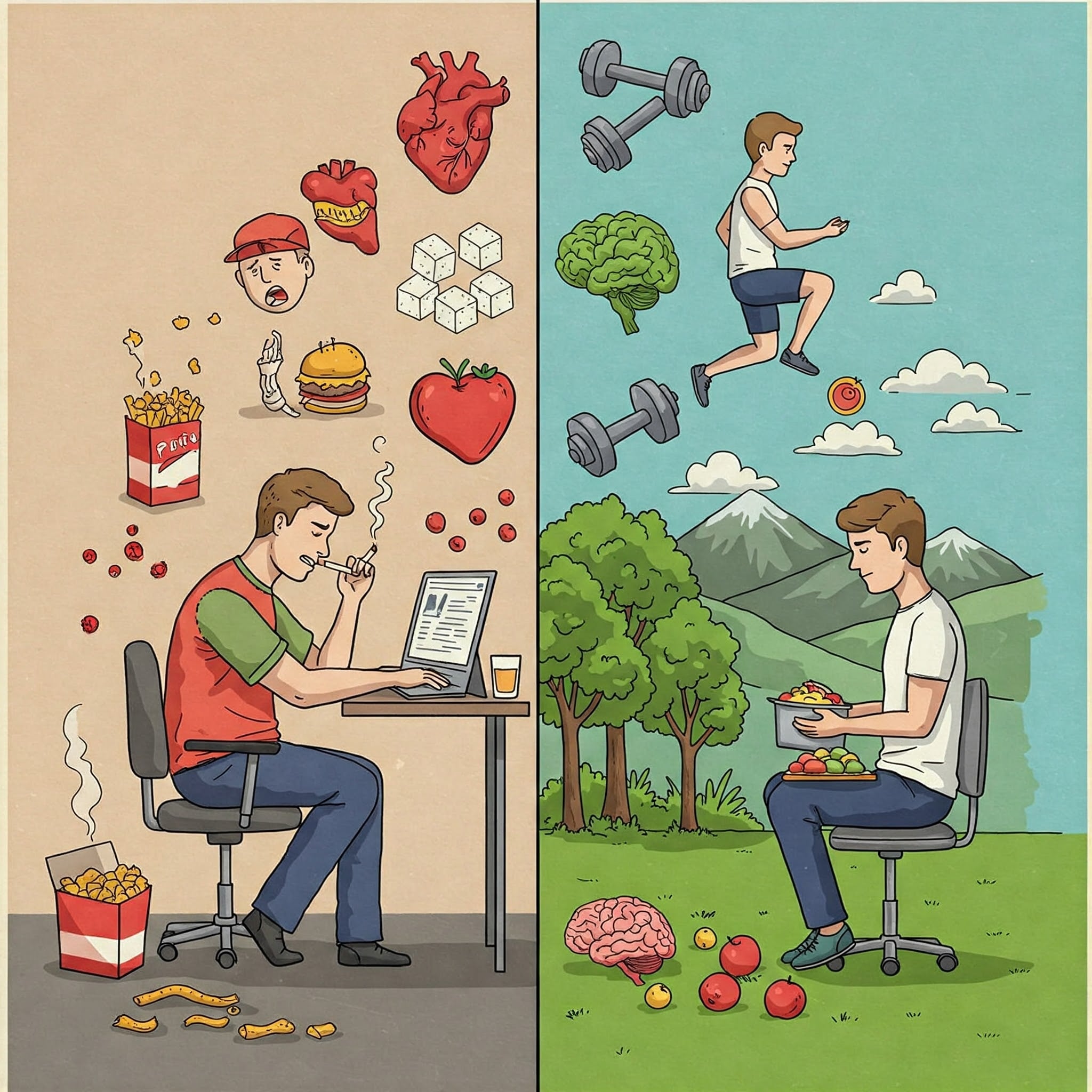
Lifestyle diseases are health conditions that are primarily caused by poor lifestyle choices, such as an unhealthy diet, lack of physical activity, excessive stress, smoking, and alcohol consumption. These diseases develop gradually over time and often become chronic, meaning they last for a long period or are ongoing. Common examples include heart disease, diabetes, hypertension (high blood pressure), obesity, and mental health disorders like anxiety and depression
How to Reduce the Risk:
- Improve Nutrition: Eat a balanced, nutritious diet.
- Exercise Regularly: 30 minutes of daily activity.
- Reduce Stress: Practice mindfulness and relaxation techniques.
- Avoid Harmful Substances: Minimize smoking and excessive alcohol
Stress, Anxiety & Depression Management
Take Control of Your Mental Health
Chronic stress, anxiety, and depression can have a profound impact on both your mental and physical well-being. These conditions, if left unmanaged, can contribute to various health problems such as heart disease, digestive issues, and even chronic pain. But the good news is that managing stress and improving mental health is within your control — with the right tools and practices.
How Stress, Anxiety, and Depression Affect Your Body
Stress triggers your body’s fight-or-flight response, which, over time, can lead to increased blood pressure, sleep problems, and weakened immunity. Anxiety and depression, though mental, also cause physical symptoms like muscle tension, headaches, and digestive problems. They can prevent you from enjoying life, affecting your relationships, career, and overall quality of life
Effective Ways to Manage Stress, Anxiety, and Depression
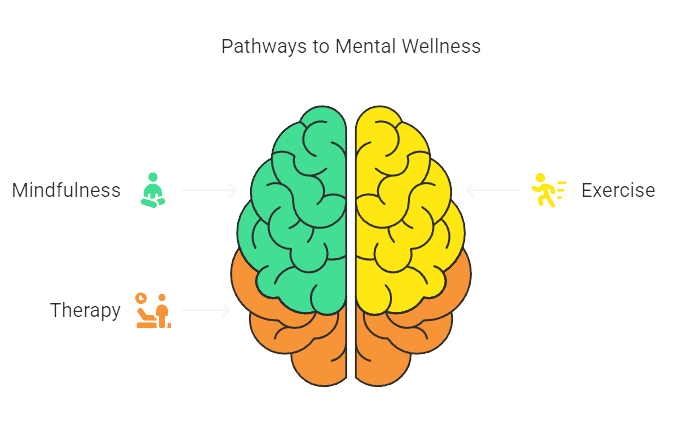
Mindfulness & Meditation
Practicing mindfulness and meditation can help calm the mind, reduce stress, and create a sense of peace. Simple breathing exercises or guided meditation can improve focus, emotional resilience, and mental clarity.Physical Activity
Regular exercise is one of the best ways to combat stress, anxiety, and depression. Physical activity releases endorphins, the body’s natural mood boosters, and helps reduce the production of stress hormones like cortisol.Therapy & Counseling
Talking to a professional can help you manage your emotions and thoughts effectively. Therapy, including cognitive-behavioral therapy (CBT), is proven to be especially helpful in reducing anxiety and depression.
Insomnia & Sleep Disorders
Improve Your Sleep, Improve Your Life
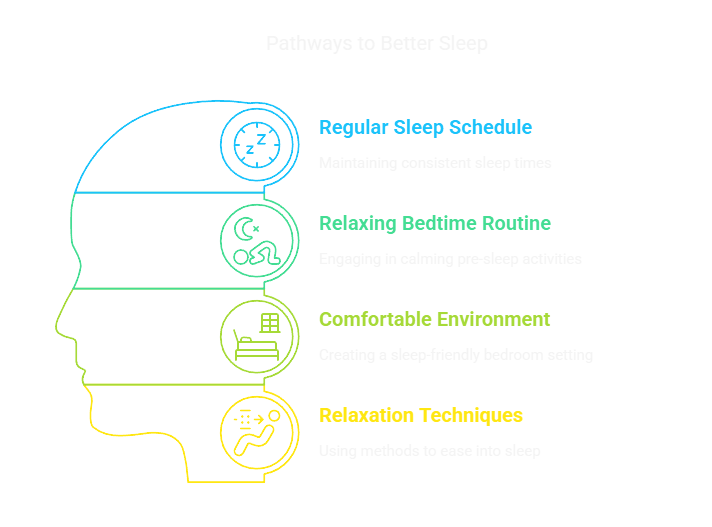
Good sleep is essential for overall health, yet many struggle with insomnia or other sleep disorders. Chronic lack of sleep can lead to problems like weight gain, increased stress, and even heart disease. Factors like stress, poor sleep habits, or an uncomfortable sleep environment can disrupt your rest.
Tips to Improve Sleep:
Stick to a regular sleep schedule.
Create a relaxing bedtime routine (limit screen time, avoid caffeine).
Make your bedroom cool, quiet, and comfortable.
Consider relaxation techniques like deep breathing or light stretching before bed.
Prioritizing sleep is one of the simplest yet most effective ways to boost both mental and physical health.
Hypertension & Heart Health
Protect Your Heart
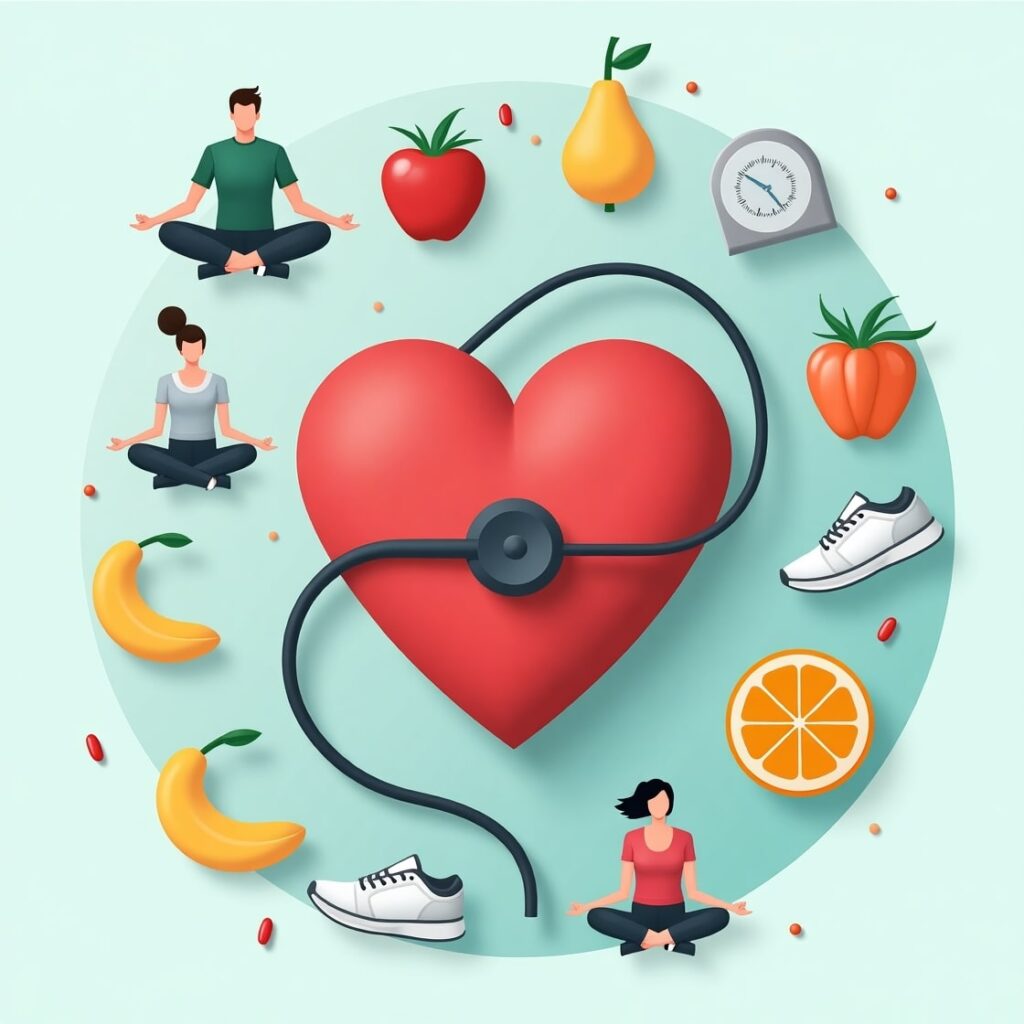
Hypertension (high blood pressure) is a major risk factor for heart disease, stroke, and kidney damage. Often called the “silent killer,” hypertension usually has no symptoms but can cause serious health issues over time. Healthy lifestyle choices are crucial in managing and preventing high blood pressure.
Tips for Heart Health:
Follow a heart-healthy diet, such as the DASH diet (low in salt, rich in fruits and veggies).
Exercise regularly to improve circulation and reduce blood pressure.
Manage stress through activities like yoga or meditation.
Get regular check-ups to monitor blood pressure and heart health.
Taking steps now to protect your heart can help prevent future complications and keep you feeling your best.
Diabetes & Obesity Control
Take Charge of Your Health
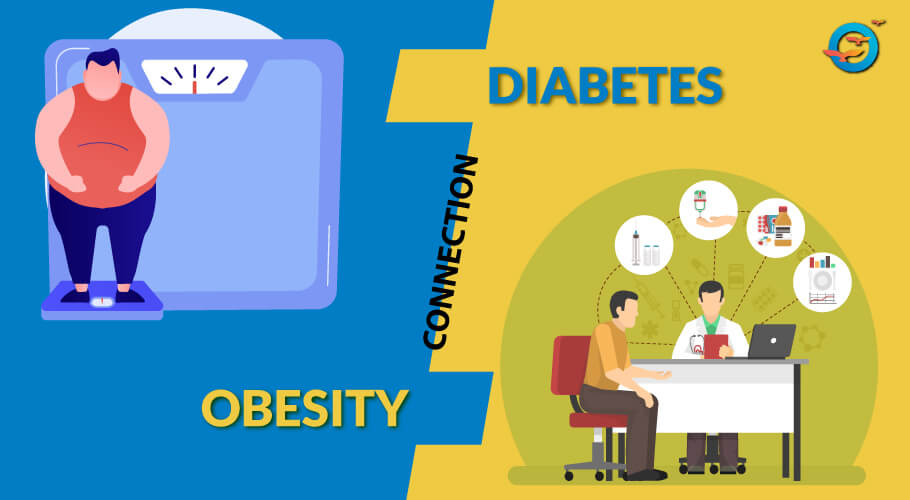
Obesity is a leading cause of type 2 diabetes and can significantly increase the risk of other chronic conditions. Maintaining a healthy weight and managing blood sugar levels are key to preventing and controlling diabetes.
Tips for Diabetes & Obesity Control:
Adopt a balanced, nutrient-rich diet (focus on whole foods, low in sugar and processed foods).
Engage in regular physical activity (aim for at least 30 minutes most days).
Monitor blood sugar levels and manage stress.
By making these changes, you can reduce the risk of diabetes and improve overall health.
Lung Health & Alcohol Detox
Breathe Easy and Detox Your Body
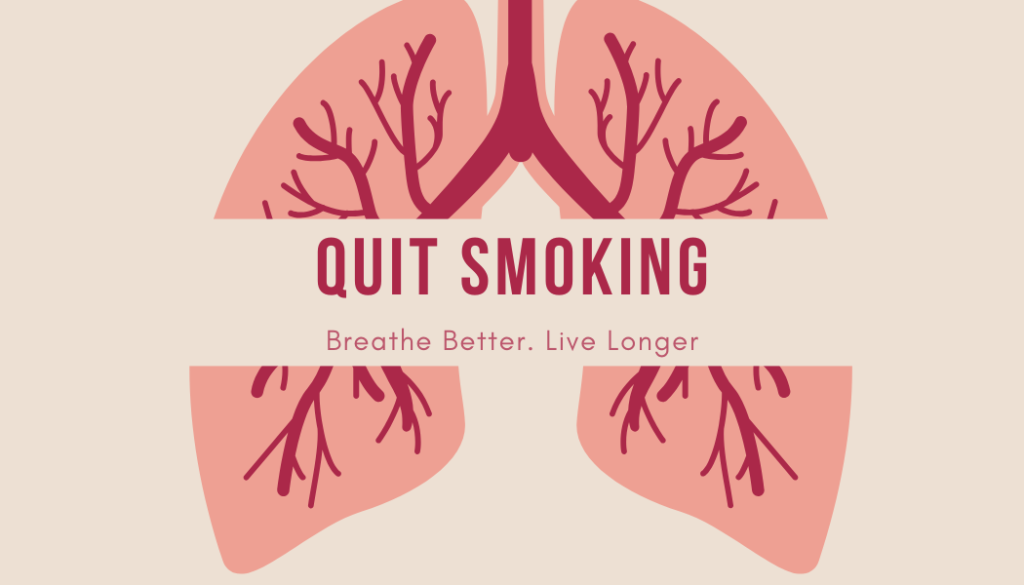
Poor lung health, often caused by smoking or air pollution, can lead to conditions like chronic obstructive pulmonary disease (COPD) and emphysema. Additionally, excessive alcohol consumption can strain the liver and overall health.
Tips for Lung Health & Alcohol Detox:
Quit smoking and avoid exposure to secondhand smoke.
Incorporate breathing exercises like diaphragmatic breathing to improve lung function.
Reduce or eliminate alcohol to support liver and overall health.
Stay hydrated and include antioxidant-rich foods to aid detoxification.
Focusing on lung health and reducing alcohol intake can improve your body’s ability to heal and function at its best.
Hair Loss & Premature Aging
Slow Down the Effects of Time
Hair loss and premature aging are natural parts of life but can be influenced by factors like poor nutrition, stress, and environmental damage. Taking care of your skin and hair can slow down the visible signs of aging and keep you feeling youthful.
Tips for Hair Loss & Aging:
Eat a diet rich in vitamins and minerals, including biotin, zinc, and omega-3 fatty acids.
Protect your skin from sun damage and use anti-aging skincare products.
Manage stress through exercise, meditation, and relaxation techniques.
Consider professional treatments for hair regrowth if necessary.
Healthy habits and self-care can maintain your natural beauty and vitality as you age.
Infertility & Sexual Wellness
Prioritize Your Reproductive Health
Infertility can be caused by many factors, including hormonal imbalances, poor diet, or stress. Sexual wellness is equally important for overall well-being and intimacy.
Tips for Fertility & Sexual Wellness:
Maintain a healthy diet and balanced weight to support hormonal health.
Reduce stress through relaxation techniques like yoga and meditation.
Communicate openly with your partner and seek medical advice when necessary.
Stay active and prioritize regular check-ups to monitor reproductive health.
By making positive lifestyle changes, you can support your reproductive and sexual health, helping you feel your best.